نورسانشعر و موسیقیِ پارسی
غزل شمارهٔ ۱۴۰۳

آمده‌ام که سر نهم

۴:۱۸مولاناI Have Come to Lay Down My Head · Rumi

شعر

مولانا آمده است تا سر بنهد، نه تا چیزی به دست آورد. هر چه از آن سو برسد — آری یا نه، زخم یا گنج — پذیرفتنی است.

این شعر ۱۰ بیت دارد؛ در این خوانش ۸ بیت خوانده شده.برای شنیدنِ هر بیت، روی آن بزنید.
  1. عاشق از معشوق «آری» نمی‌خواهد؛ هر چه از آن سو بیاید می‌خواهد. «نه»ی او را هم می‌شکنیم و شیرینی‌اش را می‌بریم.

    Love does not ask the Beloved for a yes. It wants whatever comes from that side, and breaks open even the refusal to find the sweetness inside it.

    شرح از نورسان

  2. آنچه ما را بینا می‌کند، خود به چشم نمی‌آید — چنان‌که عقل و جان دیده نمی‌شوند. مشعل را کسی می‌آورد که پیدا نیست.

    What lets us see is never itself seen — no one has ever looked at their own intellect or soul. The torch is carried in by someone invisible.

    شرح از نورسان

  3. جست‌وجو آن‌گاه تمام می‌شود که او خود در نگاهِ ما بنشیند. آن که می‌جستیم، شهرِ دل را گرفته است؛ دیگر کجا برویم؟

    The search ends when the One we sought settles into the eye that was looking for Him and occupies the heart that was the road. Where would we travel now?

    شرح از نورسان

  4. به گنجِ او با طمعِ بردن می‌رویم. اما آنچه آنجاست داشتنی نیست، دانستنی است — و دانستن را نمی‌شود در جیب گذاشت.

    We come to God the way a thief comes to a treasury, meaning to take something. But what is there cannot be owned, only known — and knowing will not fit in a pocket.

    شرح از نورسان

  5. هر چه از ما بگیرد، بیشتر از آن را پیشکش می‌کنیم. عاشق در برابرِ زخم دفاع نمی‌کند؛ دستِ زننده را می‌شناسد و باز می‌دهد.

    Whatever He takes, we offer more than He took. Love does not defend itself against the wound; it recognises whose hand it is, and gives again.

    شرح از نورسان

  6. تیری که کوه را می‌شکافد، سپر نمی‌خواهد. خطر، زخم نیست؛ خطر آن است که بخواهیم از این زخم در امان بمانیم.

    An arrow that splits mountains has no use for a shield. The danger was never the wound. The danger is wanting to be safe from it.

    شرح از نورسان

  7. گفتم آفتاب را گر ببری تو تاب خود

    تاب تو را چو تب کند گفت بلی اگر برم

    ما به رنگِ آرزویِ خویش درمی‌آییم؛ در هوسِ خیالِ او خود خیال شده‌ایم. نامش را هم از رشک نگاه می‌داریم، نه از فراموشی.

    We take the colour of what we long for; longing for his image, we have become an image. And the name we keep silent, we keep out of jealous care, not forgetfulness.

    شرح از نورسان

  8. آنک ز تاب روی او نور، صفا به دل کشد

    و آنک ز جوی حسن او آب سوی جگر برم

    باده، یعنی آن بخششی که یک بار تعارف می‌شود. اگر همان دم نگیریم، پیشِ دیگری می‌رود. و این غزل، خودِ گرفتنِ آن است.

    The wine is a gift offered once. If we do not take it in that moment, it goes to someone else. This poem is the taking of it.

    شرح از نورسان

  9. من به شدت در فکر و آرزوی او هستم و به قدری به او علاقه‌مندم که مانند خیال او در ذهنم جا گرفته‌ام. به خاطر حسادت به نام او، نام زیبای او را بر چهره ماه می‌نهم.

    شرح از گنجور

  10. این شعر من جواب حضور آن دفعه است که خداوند در دلم آمده بود و مرا مست از وجود خودش کرد ، و خداوند در جواب میگه : اکنون که در دل تو هستم از حضور من مست شو و اگر نه بروم در دل کسی دیگر تا او را از حضور خود مست کنم

    شرح از گنجور

متنِ شعر از گنجور.

شناسنامهٔ شعر

قالب
غزل
وزن
مفتعلن مفاعلن مفتعلن مفاعلن (رجز مثمن مطوی مخبون)
قافیه
ربرم
دفتر
غزلیات
ابیات
۱۰

دیگر روایت‌ها۳

همین شعر، با همین ساز و آواز، چند بار خوانده شده. روایتِ اصلی آن است که در ویدیو می‌شنوید.

  • خوانش اصلی۴:۱۸
  • خوانش دیگر۴:۲۸
  • خوانش دیگر ۳۴:۳۷
  • خوانش دیگر ۲۴:۱۶

ویدیو

از یوتیوبگشودن در یوتیوب ←

این شعر را دیگران هم خوانده‌اند۷

  • محمدرضا شجریانتصنیف در خیال
  • هژیر مهرافروزآمده ام سرنهم
  • فرشید اعرابیآمده ام
  • رضا یزدانیشهر دل
  • روزبه نعمت الهیهجرانی
  • سالار عقیلیاوست
  • پژمان واثقیآمده‌ام

فهرست از گنجور

نسخه‌های خطی۲

کلیات شمس یا دیوان کبیر با تصحیحات و حواشی بدیع‌الزمان فروزانفر » تصویر 728کلیات شمس تبریزی انتشارات امیرکبیر، تهران، ۱۳۷۶ » تصویر 533

تصاویر از موزهٔ گنجور

تصویرها۸
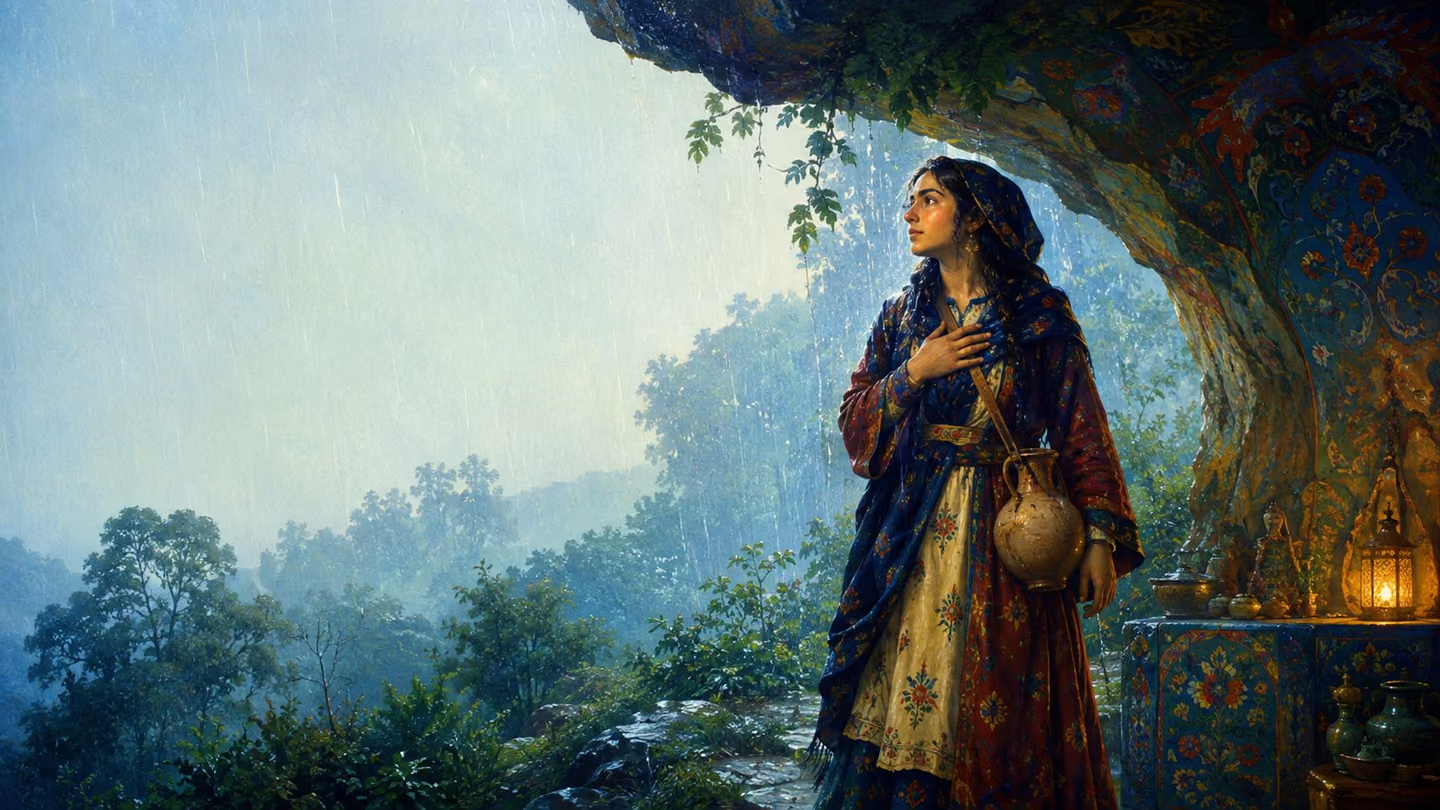
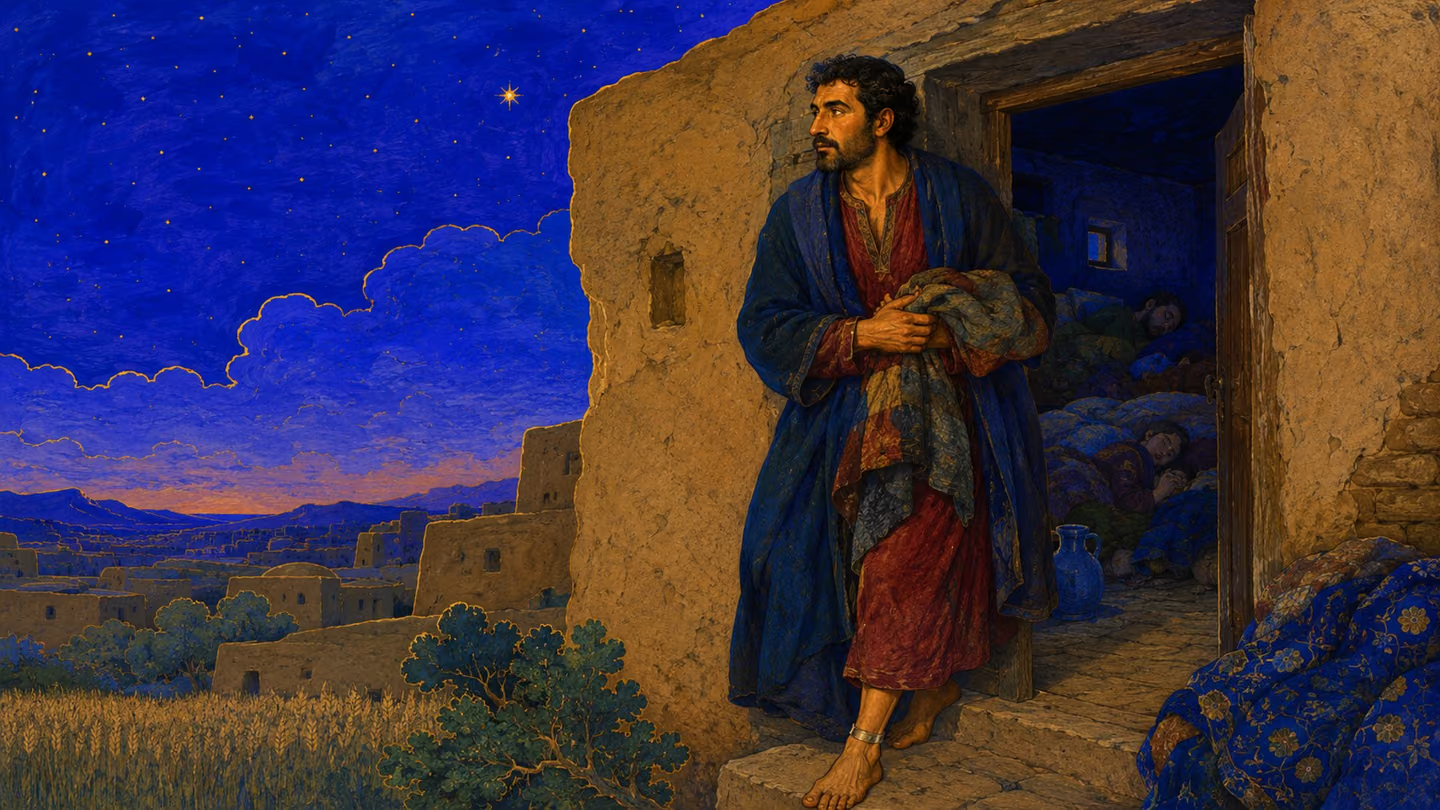
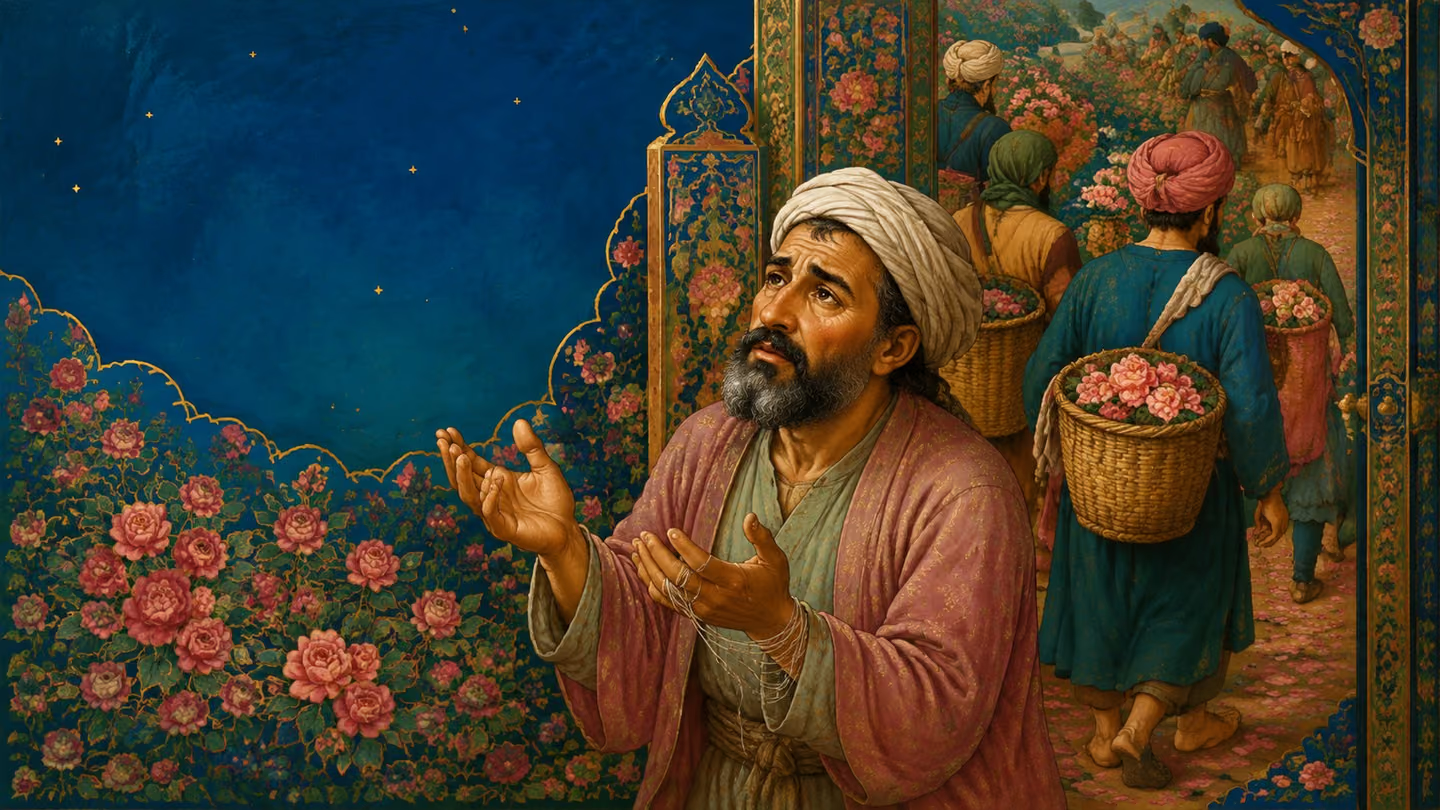
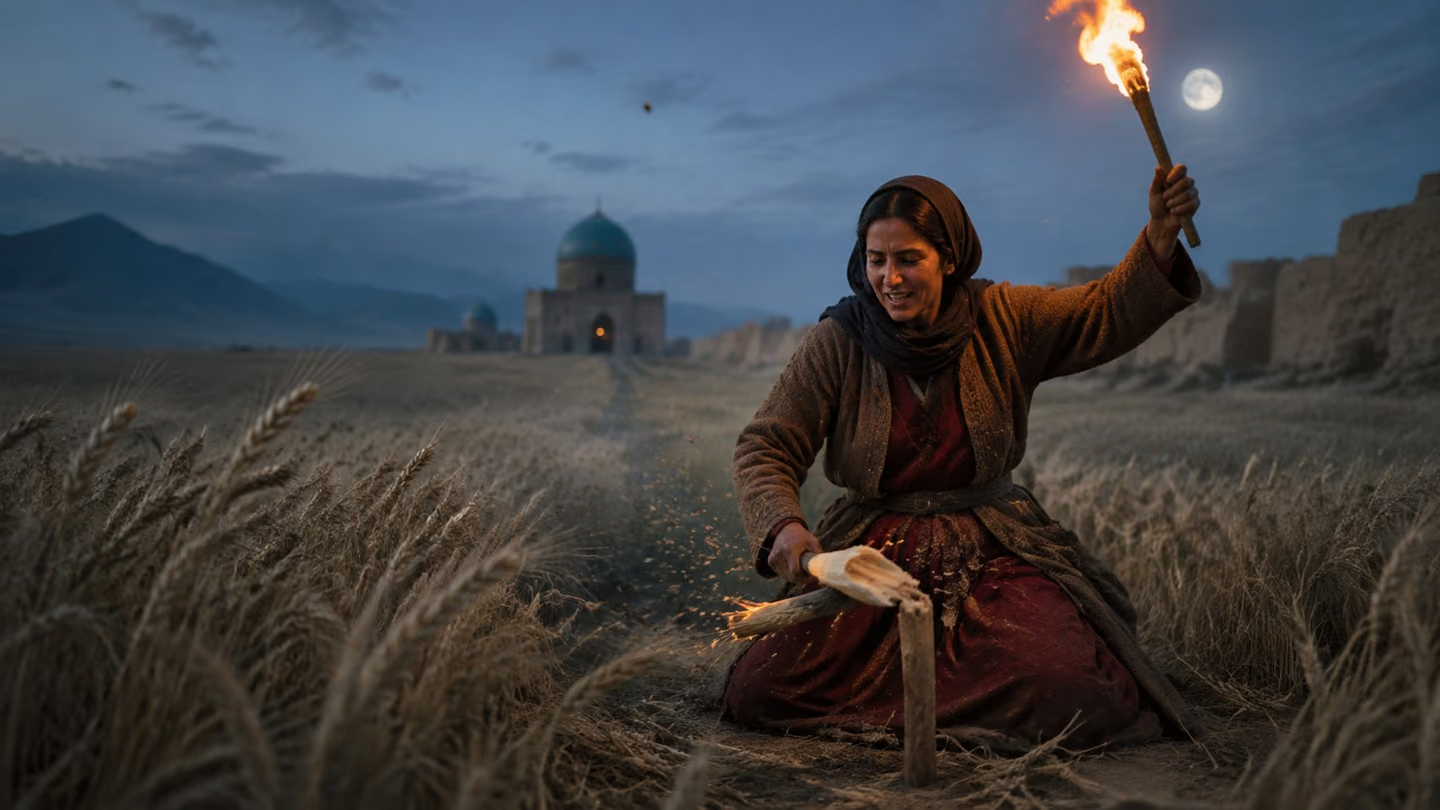
Kneeling in wind-lashed Khorasan wheat before dawn, a woman of about thirty in a coarse camel-hair travel coat over a madder-red dress and close-wound dark headscarf snaps a length of sugarcane against her knee; its b…
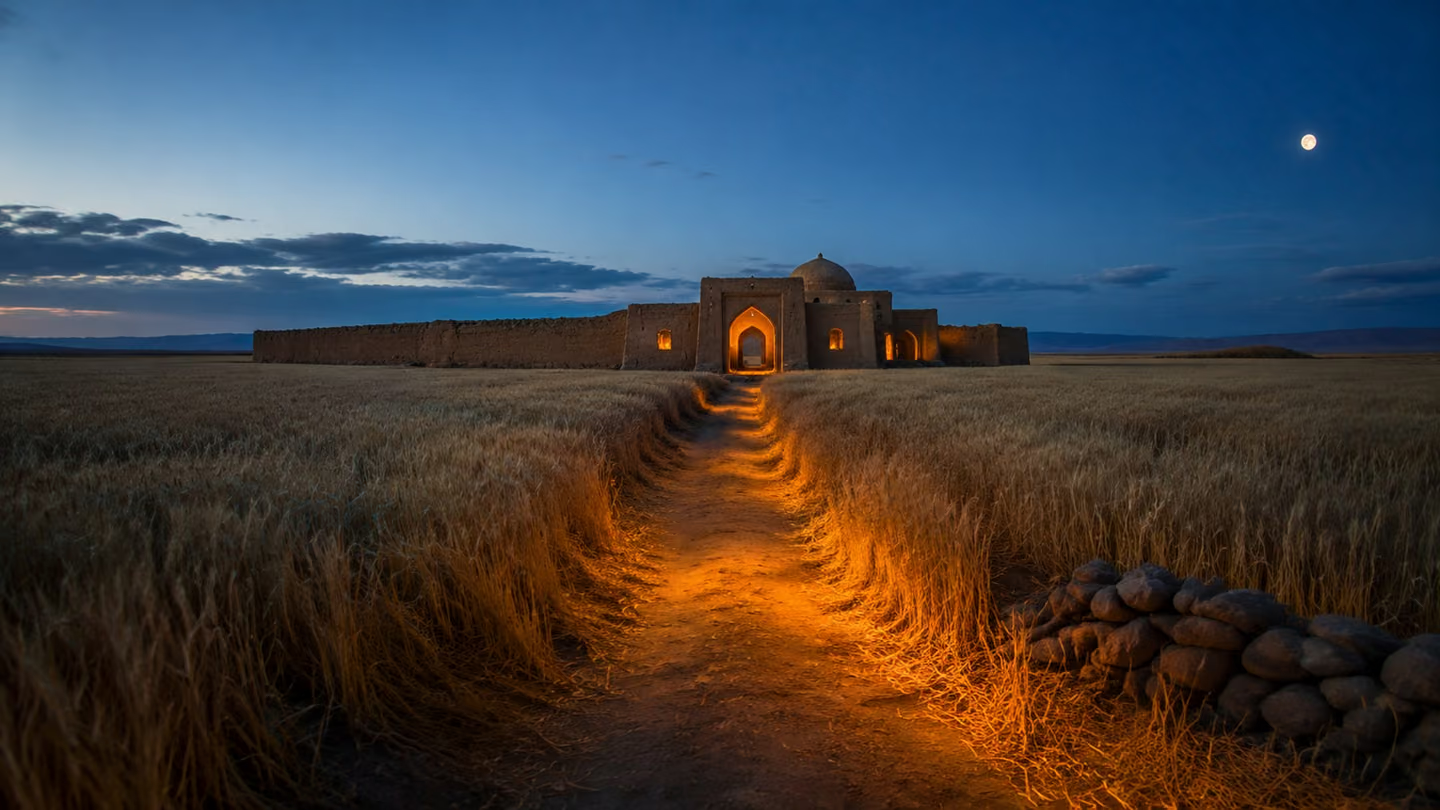
Torchlight throws a long warm path across a vast blue-hour plain of Khorasan wheat toward a low mud-brick caravanserai, every stalk and wall lit from a source nowhere in frame.
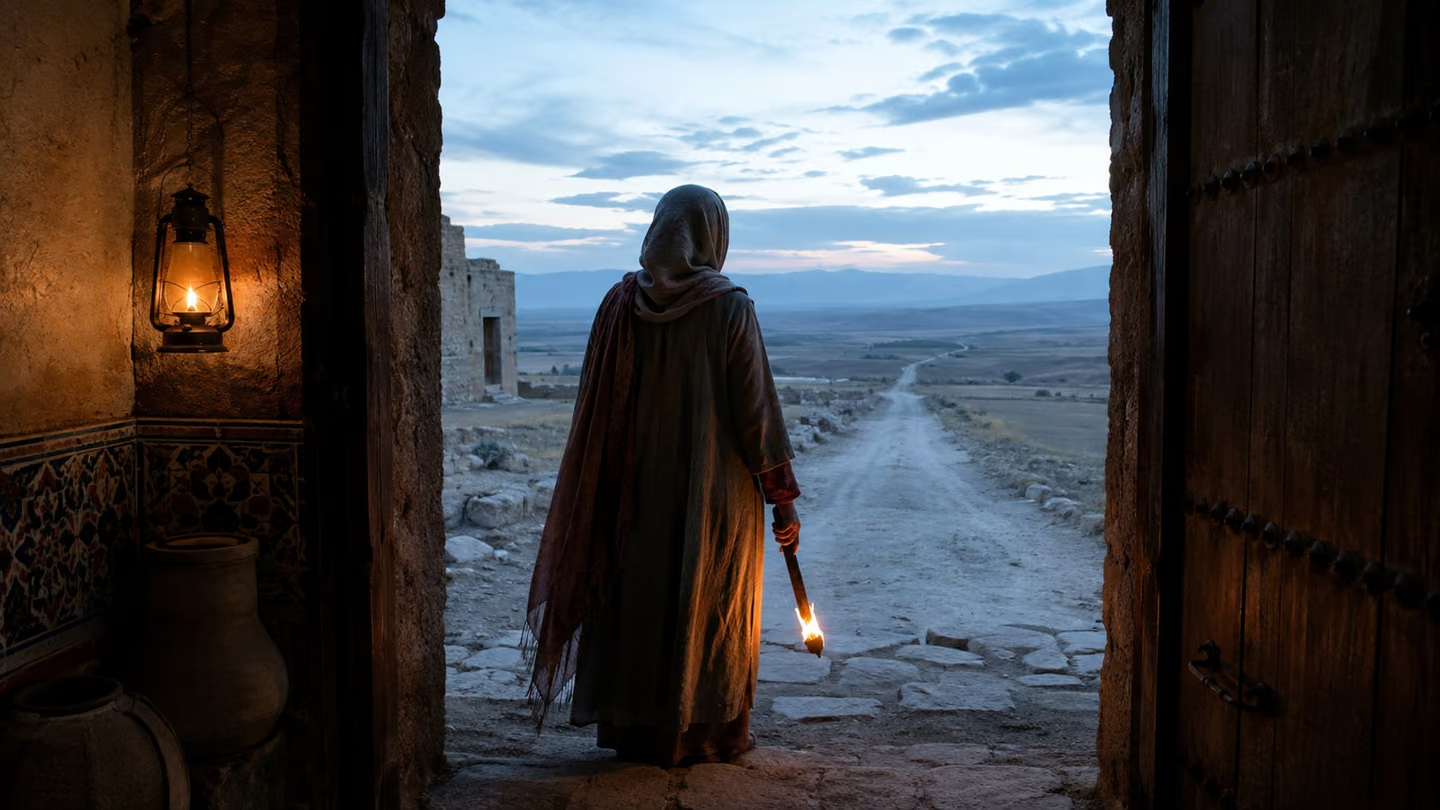
Framed through the open doorway of a roadside caravanserai, the same woman halts on the threshold, her torch lowered and guttering — beyond her the Khorasan road is filled edge to edge with cold first light so bright…
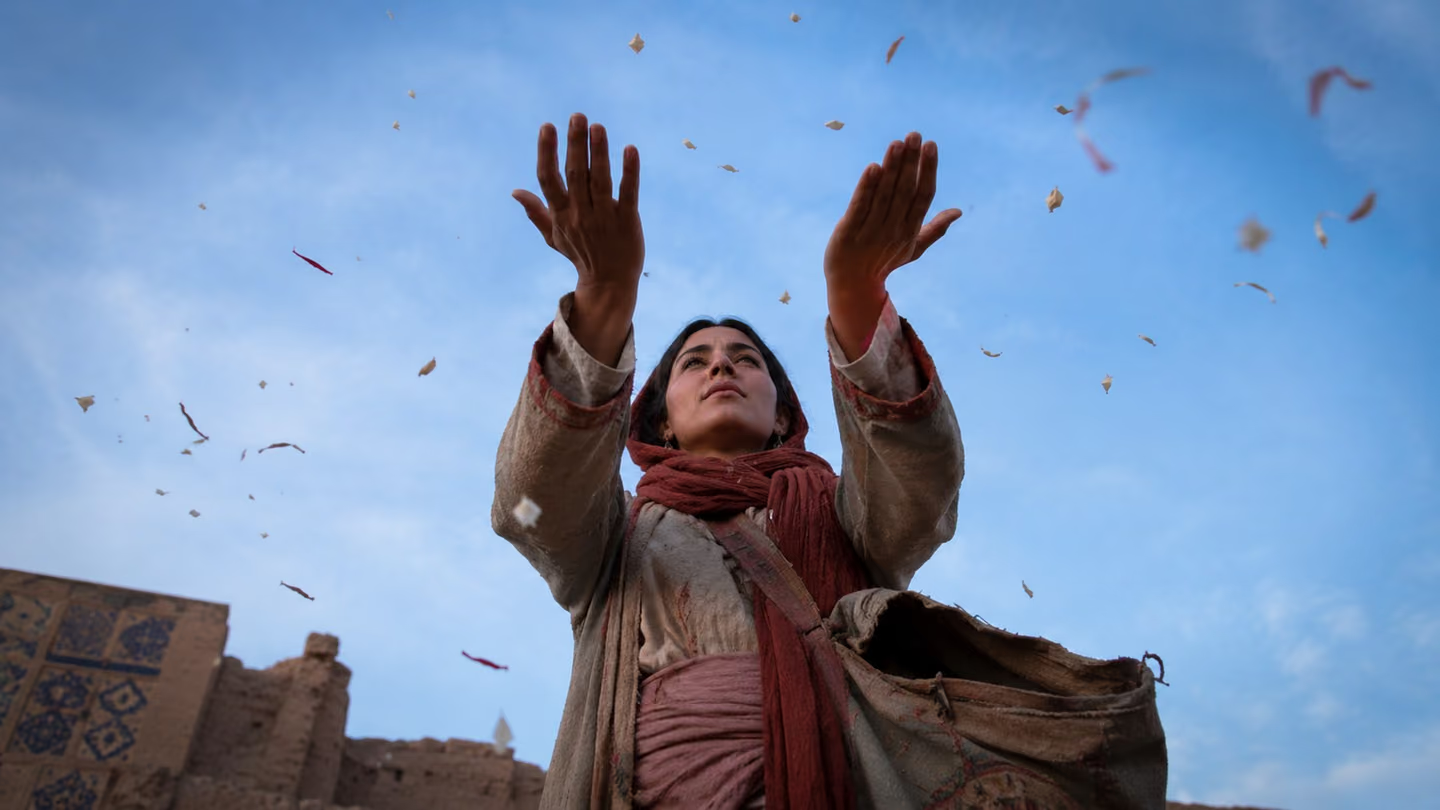
Low from the dust of the road looking steeply up, the woman opens both palms wide above the camera — empty, cupping nothing but the pale blue Khorasan morning.
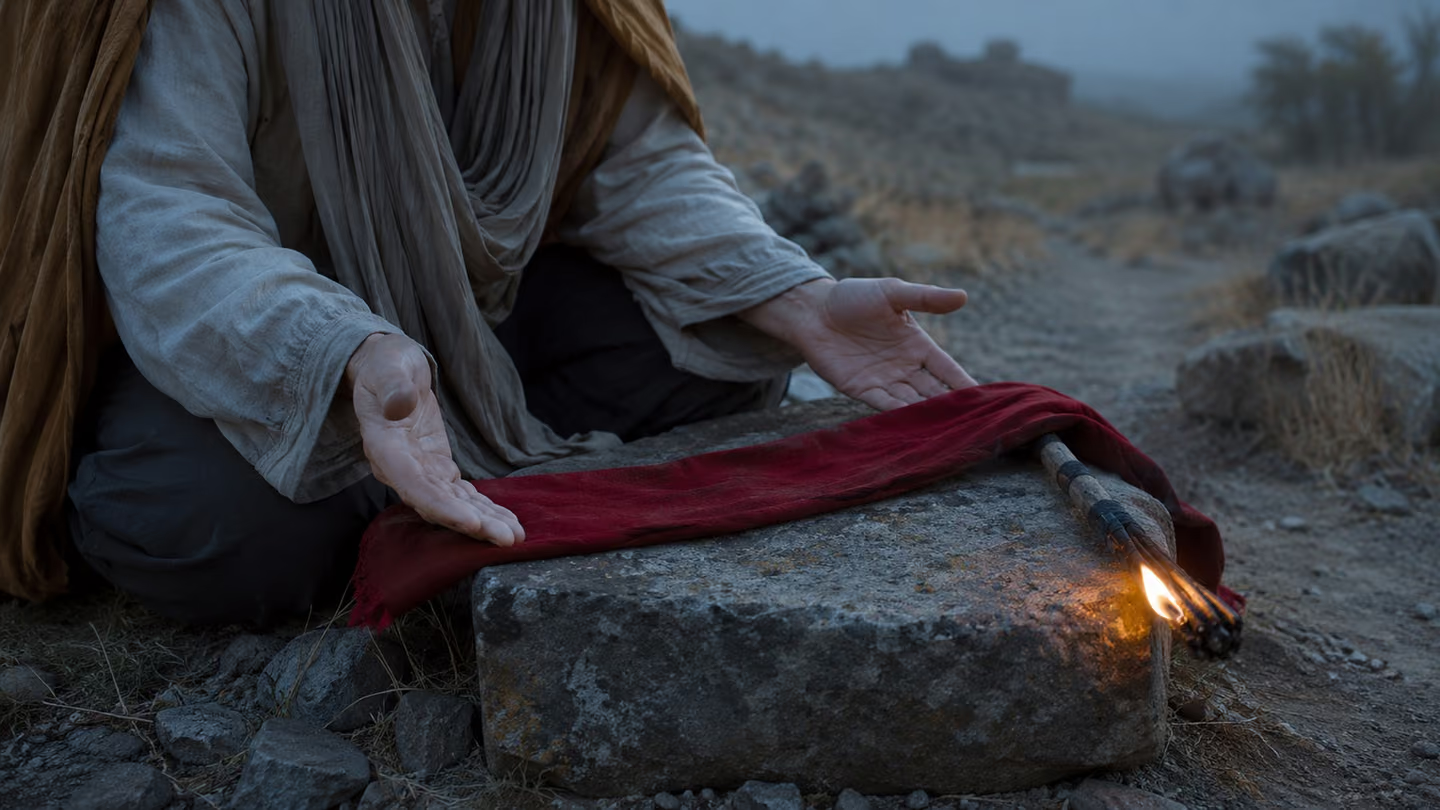
Her two hands lay a madder-red sash across a flat roadside stone, unhurried, palms open afterward — the short reed-handled torch set down beside it, still burning low.
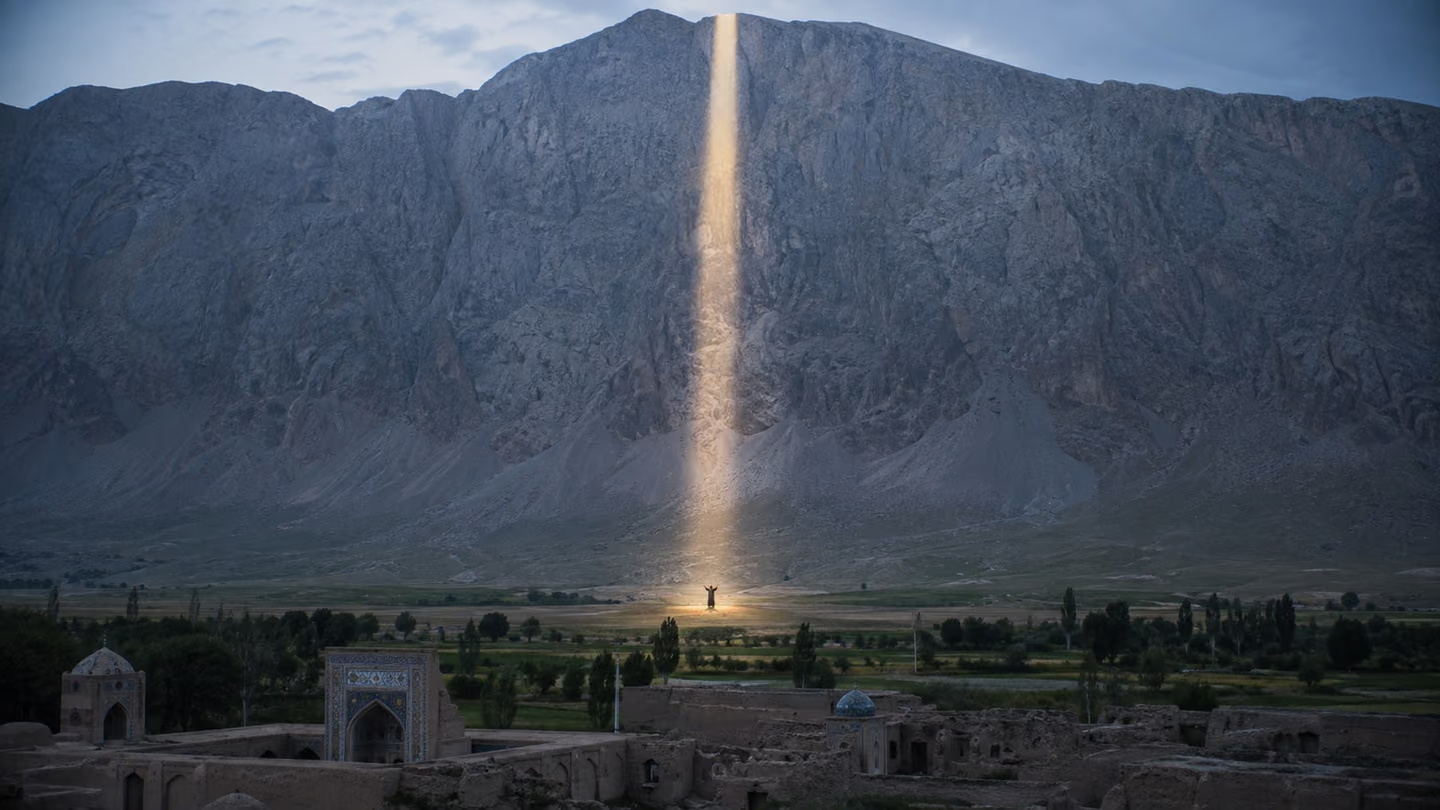
A single clean vertical shaft of risen daylight splits a grey mountain wall above the Khorasan plain from summit to scree; at its foot the woman is very small, arms open and hands empty, holding nothing up between her…
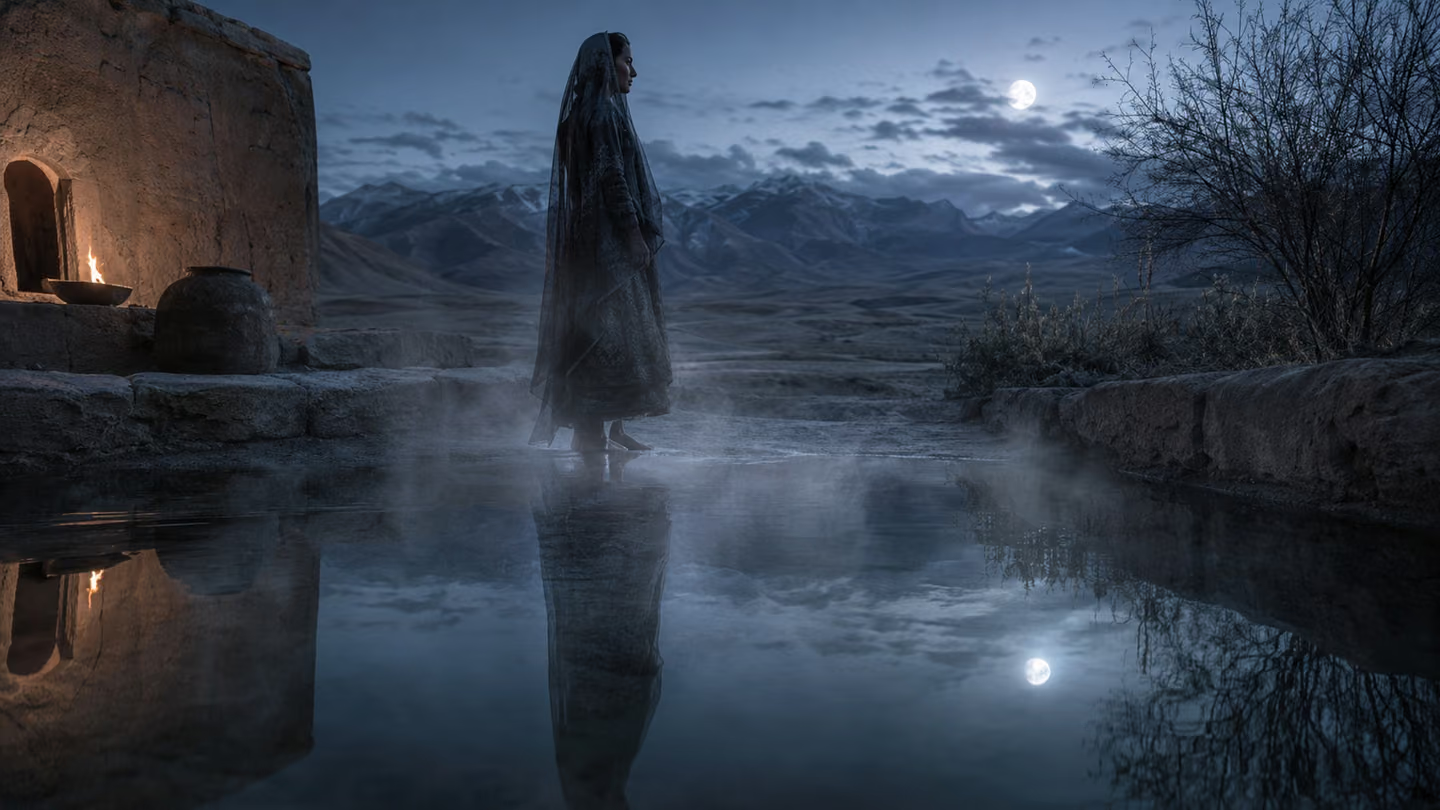
Silver moonlight over a still qanat pool; the woman waits ankle-deep at its edge, her own figure half-dissolved in the mist rising off the water while her reflection below is sharp, whole and present.
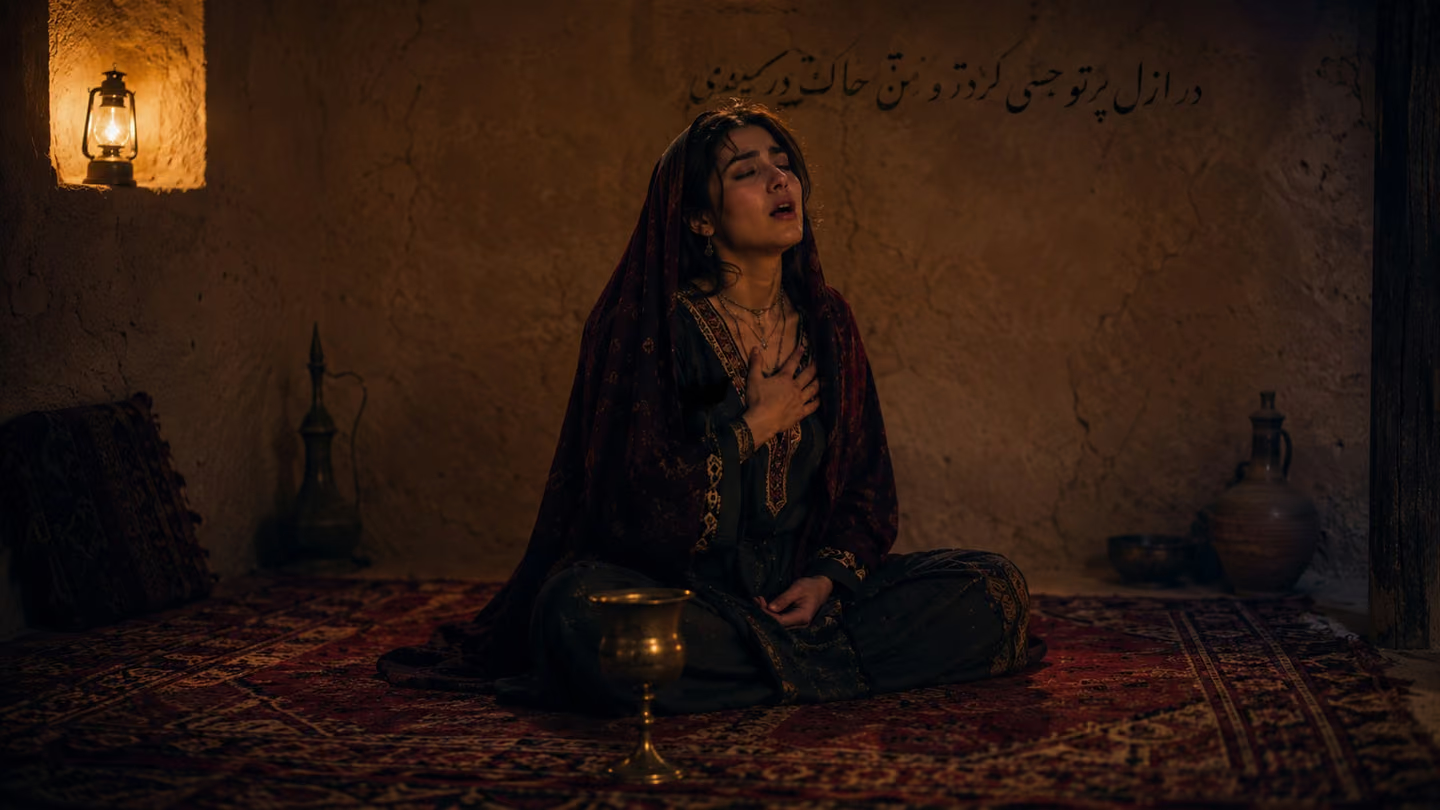
She sits alone on a low Khorasan carpet in a small mud-brick room, singing with eyes closed and one hand at her breast, mouth just open.

دیگر آثار مولانا